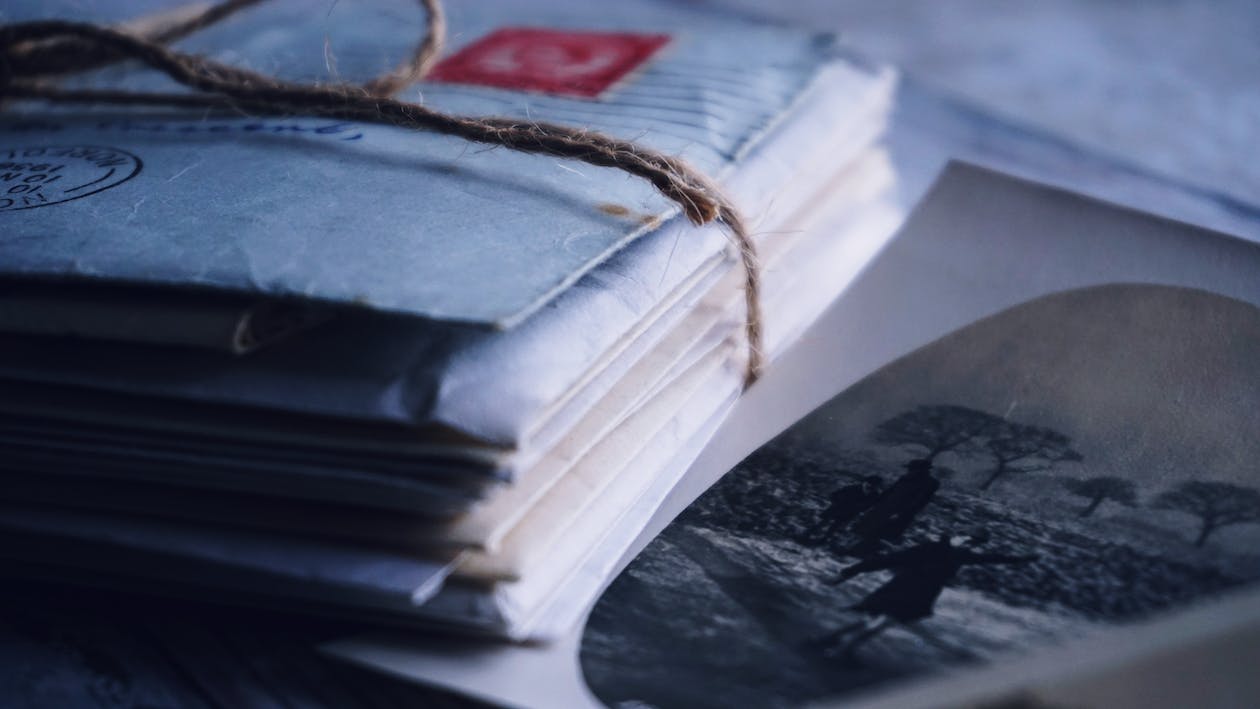
Mrs. Ada Fincher became concerned for her son Nash when his dispatches from the war front ceased. Fortunately, the letters continued to arrive monthly until Nash appeared at her door and disclosed the truth.
“Do not fret, mother. I will write to you as frequently as possible. Before departing for his deployments in Afghanistan, Nash assured his mother, Ada, that he would write as frequently as possible, even if it was only one letter per month.
Ada was never fond of the notion of her son serving in the military, but she and her husband were proud Texans who supported the troops. In El Paso, being a soldier was one of the most prestigious professions a person could hold.
She was proud of him, but she was concerned about the country’s international conflicts. She was aware that Nash could be deployed to a dangerous location and be unable to communicate frequently. But he promised to transmit correspondence.
The initial few months were relatively successful. Ada received two letters in which her son described how things were different overseas.He had never left the country prior to this, she reflected as she read his letters.
Nash explained that he did not anticipate meeting such extraordinary individuals, and that going to an active combat zone differed from training at their base. She prayed to God that all would be well and that Nash would return home safely.
After a few more months, she abruptly did not receive any letters in the mail. “Greetings, Mrs. Fincher. Why are you waiting for the mail outside?” Martin Church inquired of her. He was their usual mail carrier.
“Dear Martin. Do you possess correspondence from the military? At least once per month, my son writes to me from Afghanistan. But in May I did not. June is almost over and nothing yet,” Ada replied.
“I’m very contrite. Mrs. Fincher. I previously sorted the correspondence, and there is nothing here. However, you need not fret. Who knows what would happen to correspondence in such a scenario? “I’m certain those letters will arrive shortly,” Martin reassured the elderly woman.
“Oh, I certainly hope so, Martin. I have been praying nightly for his protection. It is so difficult. Ada added, “I wish this war would end quickly.”
“From your lips to the ears of God, Mrs. Fincher. Have a pleasant day!” Martin stated, then departed. But he couldn’t help looking back at the older woman, who went back inside her house reluctantly. Likewise, I pray her son is okay, he thought.
June went by, and nothing came in the mail. By the middle of July, Mrs. Fincher was distraught. She waited daily by the mailbox, hopeful for news. Meanwhile, Martin worried about the poor woman.
What if her son never returns, he thought. However, he assumed Nash was still alive since Mrs. Fincher hadn’t received any visits from other military officers or any letters informing her that her son had died. Therefore, Martin devised a plan.
“Greetings, Mrs. Fincher. I have a letter for you!” he said cheerfully to the old woman.
“Really? From Nash?” she asked.
“Yes! Here you go!” Martin said, handed her the letter.
“Thank you so much, Martin. And thank God that these letters are finally arriving!” Ada said before hurrying inside to read her son’s letter where Nash apologized for being too busy to write and explained how busy he was.
Ada was just glad that Nash was still alive. She started receiving two letters a month for a while, until one October morning when her doorbell rang. Who could it be this early in the morning? she wondered to herself, donning a robe before heading downstairs.
“NASH!” she yelled after opening the door and seeing her son there. “WHAT ARE YOU DOING HERE?”
“Mom! I’m so glad to see you! My tour is done!” Nash explained and hugged his mother. She ushered him inside and started making him breakfast. Nash sat down at the kitchen table to drink some coffee.
“Tell me everything,” Ada insisted while cooking.
“Well, it’s kind of complicated to explain, but I’ll try. First, I want to apologize for not writing the past months. There was no time to write anything. We were always moving,” Nash explained.
“What do you mean? I got one of your letters earlier this month,” Ada said, frowning as she served him a plate.
“But I haven’t written anything since early April, Mom,” Nash continued, confused.
“But some of your letters say July, August, September, so no…you didn’t write those?” Ada asked.
“No, I didn’t. I was in the middle of a combat zone. I couldn’t—”
Just then, the doorbell rang again. Ada answered, and it was Martin. “Hey, Mrs. Fincher. You weren’t outside, but I wanted to give you another letter from your son in person. I hope it’s ok that I rang,” he explained with a smile.
Ada looked back at Nash sitting in the kitchen and laughed, realizing what happened. “Oh, dear Martin. Thank you so much for everything. Would you like some breakfast?” Ada said, laughing.
“Oh, I don’t want to impose,” Martin said.
“Don’t worry. Come in, and you can meet my son,” Ada said. Martin’s eyes flared, but he came inside and explained why he started writing the letters himself.
“Thank you, Martin. My mom would’ve been so much more worried without your help,” Nash told him as they ate. Ada smiled because her son was back, and it was nice knowing that good people like Martin still existed in the world.
She started inviting him for breakfast every morning, and he became Nash’s best friend. Eventually, Ada considered him family. Nash met a wonderful young lady at college, and Martin was the best man at their wedding.