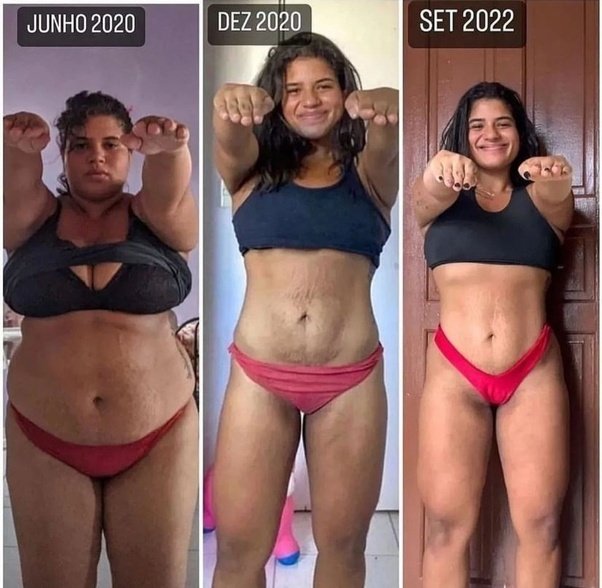
Congratulations on starting your weight loss journey! It’s a great decision for your health and well-being. Here are some tips to help you get started:
Set Realistic Goals: Start by setting achievable and realistic goals for yourself. Instead of aiming for rapid weight loss, focus on steady and sustainable progress. Aim to lose 1-2 pounds (0.5-1 kg) per week, which is a healthy and attainable target.
Create a Calorie Deficit: Weight loss ultimately comes down to consuming fewer calories than you burn. Calculate your daily calorie needs based on your age, gender, weight, height, and activity level. Aim to create a calorie deficit of 500-1000 calories per day, which will result in 1-2 pounds (0.5-1 kg) of weight loss per week.
Healthy Eating: Focus on consuming a well-balanced diet consisting of lean proteins, whole grains, fruits, vegetables, and healthy fats. Avoid or minimize processed and sugary foods, as they are often high in calories and low in nutritional value. Incorporate portion control and mindful eating into your routine.
Stay Hydrated: Drink plenty of water throughout the day. Water not only keeps you hydrated but can also help control your appetite. Sometimes, thirst can be mistaken for hunger, leading to unnecessary snacking.
Regular Exercise: Include regular physical activity in your weight loss plan. Aim for at least 150 minutes of moderate-intensity aerobic exercise or 75 minutes of vigorous-intensity exercise per week, along with strength training exercises to build muscle and boost your metabolism.
Track Your Progress: Keep a journal or use a mobile app to track your food intake, exercise, and progress. Monitoring your habits and results can help you stay accountable and make adjustments as needed.
Seek Support: Surround yourself with a supportive network of family and friends who can encourage and motivate you throughout your weight loss journey. Consider joining a support group or seeking the guidance of a registered dietitian or a fitness professional.
Get Adequate Sleep: Make sure to prioritize quality sleep. Lack of sleep can disrupt your hormones, increase hunger, and lead to weight gain. Aim for 7-9 hours of sleep per night.
Be Patient and Consistent: Remember that weight loss takes time and consistency. There may be ups and downs along the way, but don’t get discouraged. Stay committed to your goals and make adjustments when necessary.
Focus on Overall Health: While weight loss is a primary goal, prioritize your overall health and well-being. Enjoy the journey and celebrate non-scale victories such as increased energy, improved mood, and better fitness levels.
Remember, it’s essential to consult with a healthcare professional before starting any weight loss program, especially if you have any underlying health conditions. They can provide personalized advice based on your specific needs and circumstances. Good luck on your weight loss journey!