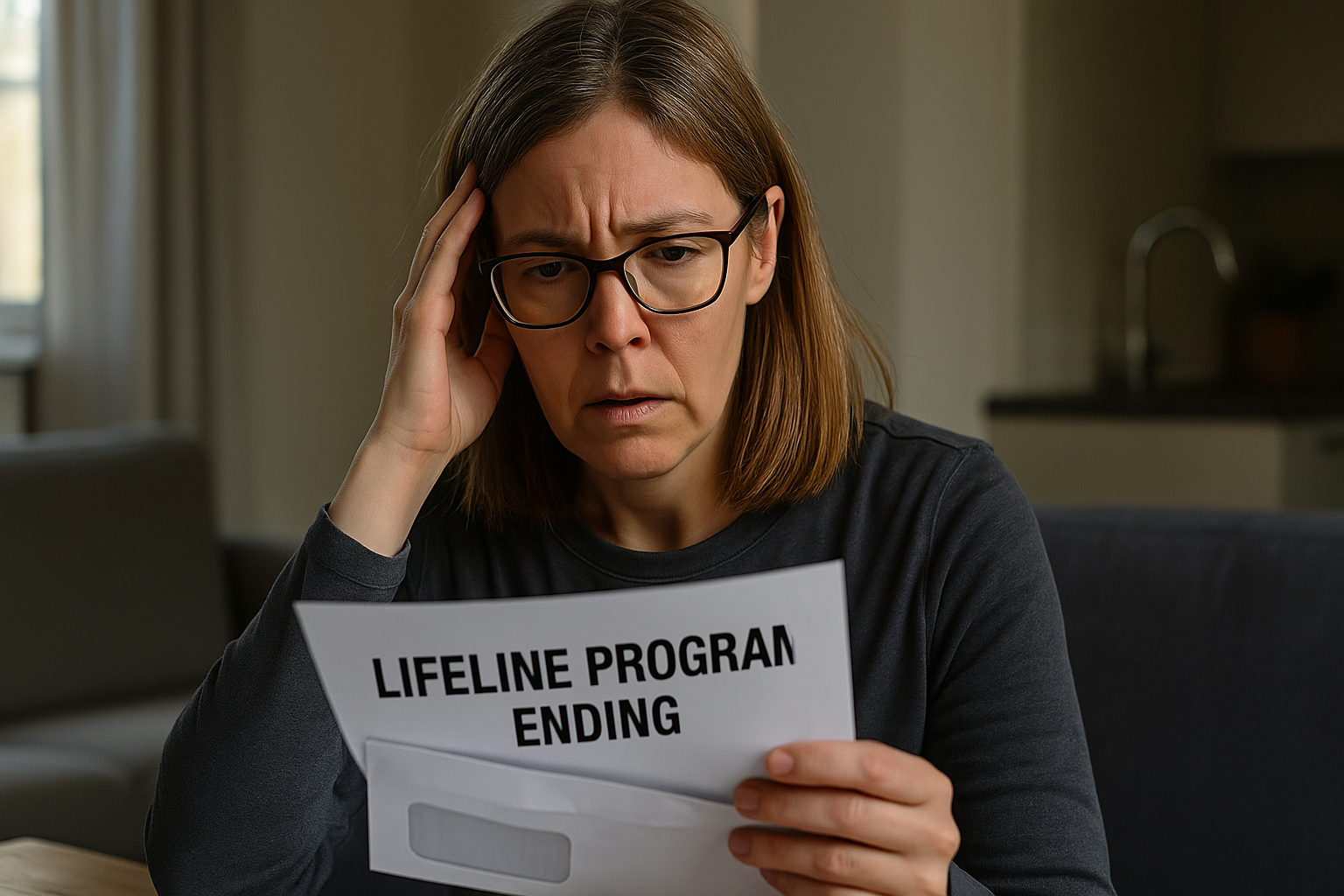
DETROIT — When Melissa Dettloff opened the letter in her Russell Woods home this September, she thought it was another routine bill. Instead, she found out the water program that had kept her afloat for three years had vanished.
“I’d been paying $18 a month. That was the only bill I could count on staying the same,” she said. “Then suddenly—gone.”
Dettloff is one of thousands of Detroiters caught in a scramble after the city’s widely used Lifeline water affordability program ran dry. Once serving 29,000 households, the income-based plan quietly collapsed under the weight of its own success. Now, its replacement — Lifeline H2O — has room for just 5,000 families, with a price tag nearly double what Dettloff used to pay.
And Detroit residents are fighting to get in.
A Digital Stampede for Survival
Last week, when the new program’s online portal opened, Dettloff was ready. Laptop out. Documents scanned. Fingers hovering over the keyboard.
She hit “Submit.”
Error.
“I called customer service, and they told me the website was acting up,” she said. The next day, the system couldn’t even find her account.
For Detroiters who live paycheck to paycheck, a glitch isn’t an inconvenience — it’s a threat.
A Shrinking Lifeline in a City That Needs It Most
Detroit officials always warned Lifeline wouldn’t last. Funded with a one-time $15 million allocation, it was designed as a temporary patch, not a permanent fix.
By last fall, more than 25,000 Detroit households were enrolled. Then the money ran out.
The reworked Lifeline H2O uses $3.5 million from the Great Lakes Water Authority and caps enrollment at 5,000 households. For $34 a month, residents can use up to 4,500 gallons — though the EPA says families typically need more than twice that.
And there’s another catch:
You can’t owe anything. A single past-due balance disqualifies you.
Advocates say that’s the exact opposite of what Detroiters need.
‘This Isn’t Relief. It’s a Barrier.’
Water advocates packed a September Board of Water Commissioners meeting to warn the city that the new program leaves thousands behind.
“Detroiters need real relief, not more hurdles,” said Cecily McClellan of We the People of Detroit. “Families shouldn’t have to fight for access to clean, safe water.”
Residents who can’t secure a Lifeline H2O slot will be automatically placed on EasyPay — a plan that stretches water debt over 36 months. It protects them from shutoffs, but only if they stay current. One missed payment can knock them out.
DWSD insists water shutoffs won’t spike.
Advocates aren’t convinced.
The State Steps In — Maybe
State Sen. Stephanie Chang (D-Detroit) is pushing a long-term solution: a statewide water affordability fund, powered by a mandatory $1.25 fee on every water meter in Michigan.
If approved, it would be the first permanent funding stream for residential water relief in Michigan’s history.
But for now, Detroiters like Dettloff are stuck in limbo — refreshing web pages, dialing customer service, and hoping the program that saved them once will save them again.
“My health insurance is doubling, groceries are insane, and now even the one bill I could manage is slipping away,” she said. “Everything keeps going up, except our chances.”