Diseases Due to Alcohol Consumption: A Comprehensive Guide
Alcohol is a common beverage consumed by millions of people worldwide. While moderate alcohol consumption can have some benefits, excessive alcohol consumption can lead to severe health consequences. In this article, we will discuss the diseases caused by alcohol consumption and their effects on the body.
Introduction
Alcohol consumption is a widespread practice worldwide, and it is an important part of many cultures. However, excessive alcohol consumption can lead to several health problems, including liver damage, heart disease, and cancer.
Understanding Alcohol Consumption
Before we delve into the health consequences of alcohol consumption, it is essential to understand how alcohol affects the body. Alcohol is a depressant that affects the central nervous system, which leads to a decrease in cognitive function and inhibitions. When consumed in moderation, alcohol can have some health benefits. However, excessive alcohol consumption can lead to severe health problems.
Diseases Caused by Alcohol Consumption
1. Liver Disease
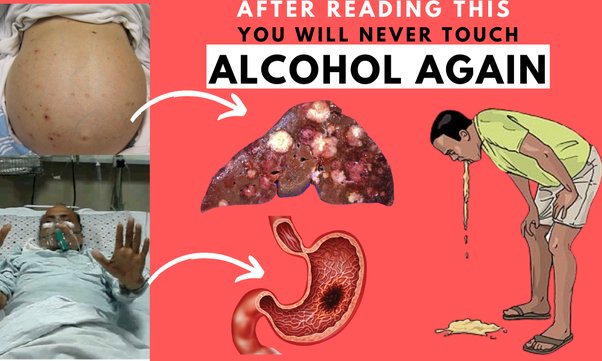
One of the most common diseases caused by alcohol consumption is liver disease. Excessive alcohol consumption can lead to liver damage, cirrhosis, and even liver failure. The liver is responsible for filtering toxins from the body, including alcohol. When alcohol is consumed excessively, it causes the liver to work overtime, leading to damage and scarring.
2. Cardiovascular Disease
Excessive alcohol consumption can also lead to cardiovascular disease. Alcohol can increase blood pressure, which can lead to heart disease and stroke. Additionally, excessive alcohol consumption can cause irregular heartbeats, leading to a condition known as arrhythmia.
3. Cancer
Alcohol consumption has been linked to an increased risk of several types of cancer, including breast, liver, colon, and throat cancer. The risk of cancer increases with the amount of alcohol consumed, and even moderate alcohol consumption can increase the risk of cancer.
4. Mental Health Issues
Excessive alcohol consumption can also lead to mental health issues, including depression, anxiety, and mood swings. Alcohol can also worsen the symptoms of mental health conditions, making them more difficult to manage.
5. Pancreatitis
Pancreatitis is a condition characterized by inflammation of the pancreas, which is a gland located behind the stomach that produces digestive enzymes and hormones that regulate blood sugar. Excessive alcohol consumption is a common cause of pancreatitis, as it can cause irritation and damage to the pancreas. Chronic alcohol abuse can also lead to the formation of pancreatic stones, which can block the ducts and prevent the digestive enzymes from reaching the small intestine. Symptoms of pancreatitis include severe abdominal pain, nausea, vomiting, and fever. In severe cases, pancreatitis can lead to complications such as pancreatic necrosis and organ failure. Treatment for pancreatitis may include hospitalization, intravenous fluids, pain management, and avoidance of alcohol consumption.
6. Digestive Problems
Alcohol consumption can cause various digestive problems ranging from mild to severe. Gastritis, which is inflammation of the stomach lining, can occur due to excessive alcohol consumption. Alcohol can also increase the production of stomach acid, leading to acid reflux and heartburn. Additionally, alcohol can damage the lining of the small intestine, leading to malabsorption of nutrients and diarrhea. Chronic alcohol abuse can also lead to the development of stomach and intestinal ulcers. In some cases, alcohol-induced digestive problems may require medical treatment, such as medications to reduce stomach acid or antibiotics to treat ulcers. Avoiding or limiting alcohol consumption can help to prevent or alleviate digestive problems associated with alcohol.
Effects of Alcohol Consumption on the Body
Excessive alcohol consumption can lead to several health problems, including:
- Dehydration
- Nausea and vomiting
- Dizziness and confusion
- Headaches
- Muscle weakness
- Blurred vision
- Slurred speech
- Impaired judgment
Prevention and Treatment
The best way to prevent alcohol-related health problems is to limit alcohol consumption. The recommended limit for men is two drinks per day, and for women, it is one drink per day. Additionally, it is essential to seek treatment for alcohol addiction, which can involve therapy and medication.
Conclusion
Alcohol consumption can have severe health consequences, including liver disease, cardiovascular disease, cancer, and mental health issues. It is essential to limit alcohol consumption and seek treatment for alcohol addiction to prevent these health problems.